Estate Management

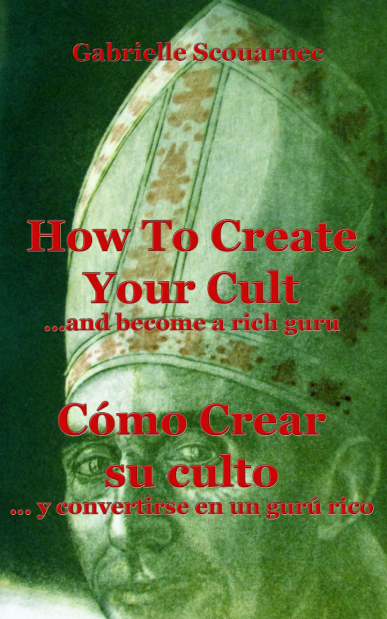
Thibault de Saint-Rémy is a man backed into a corner. Burdened with debt and humiliated by the arrogance of his in-laws, the de La Chesnayes, he sees only one way to save his social standing and his marriage to Clémence: the inheritance. To claim the fortune, his in-laws must disappear. But make no mistake, Thibault is no ordinary crook. He devises perfect crimes, domestic accidents so subtle they defy any investigation. It's a shame fate has conspired against him.
The Diversity of the Amazigh Worlds
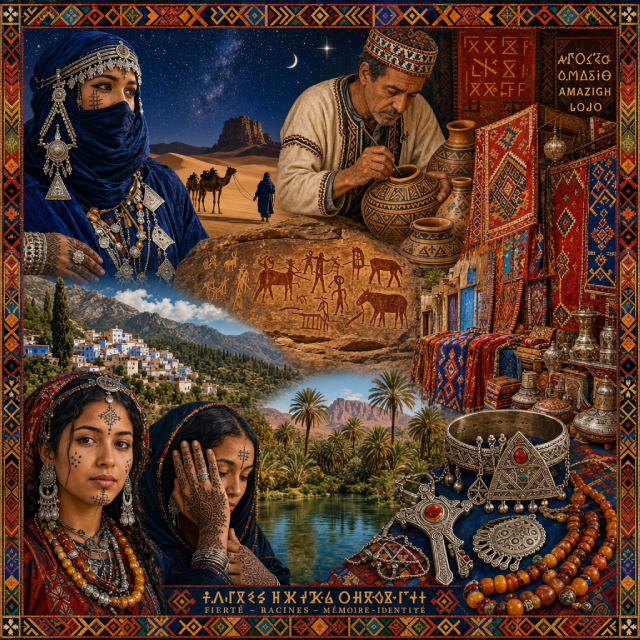
Each story explores a territory, a practice and a transmission, taking care to restore the nuances of a living culture, neither fixed nor exoticized.
La Fontaine
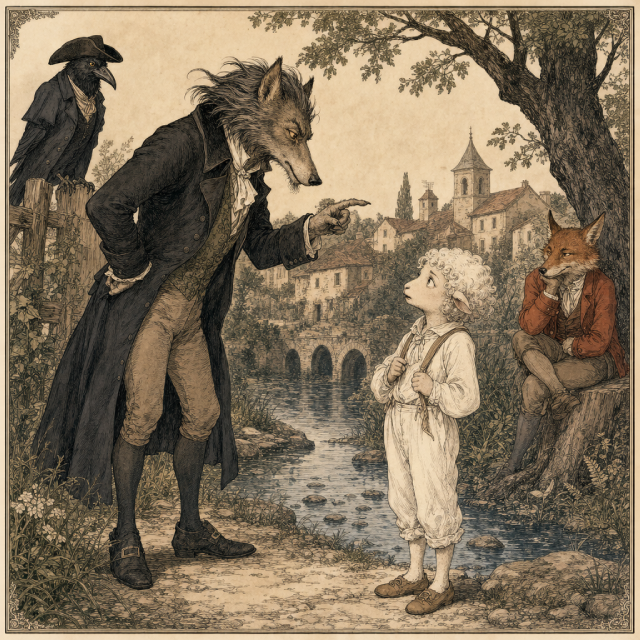
These stories are freely inspired by the fables of La Fontaine. They are not illustrations of them — they are distant heirs, transposed into other times and other places. The moral, if there is one, is left to the reader's discretion.
The Cabinet of curiosities
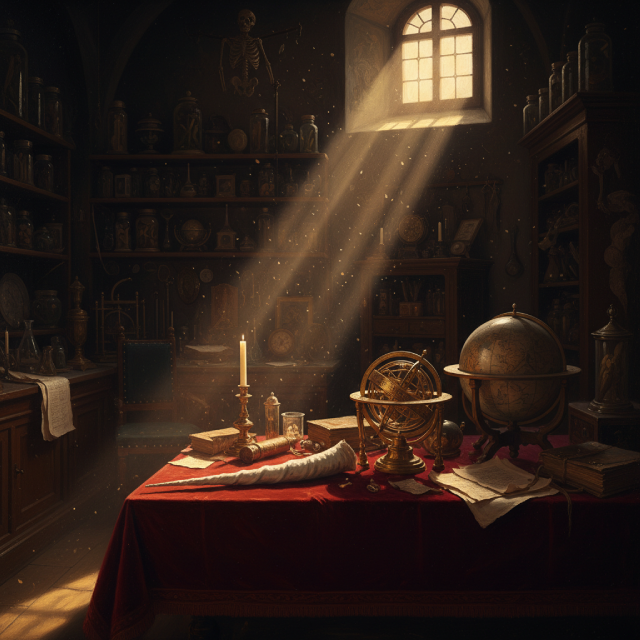
Rudolf II is often called "the melancholic emperor." He spent his final years gazing at his collections while his empire crumbled.
This fictional exploration of his cabinet of curiosities allows us to delve into what the raw facts leave unsaid: the weight of silence and the utter solitude of power.
Stoicism in stories

There is a philosophy that never claimed to make anyone happy. It promised something more modest and more durable: learning to distinguish what depends on us from what does not, and investing one's strength only in the first category. This philosophy is called Stoicism. It was born in Greece at the turn of the fourth century BCE, flourished in Rome, and has never really stopped being read since.
This series does not set out to teach a philosophy course. It sets out to tell moments — difficult mornings, impossible decisions, grief without consolation — in which men and women put to the test, sometimes without knowing it, the ideas the Stoics had formulated.
The Silent Archives
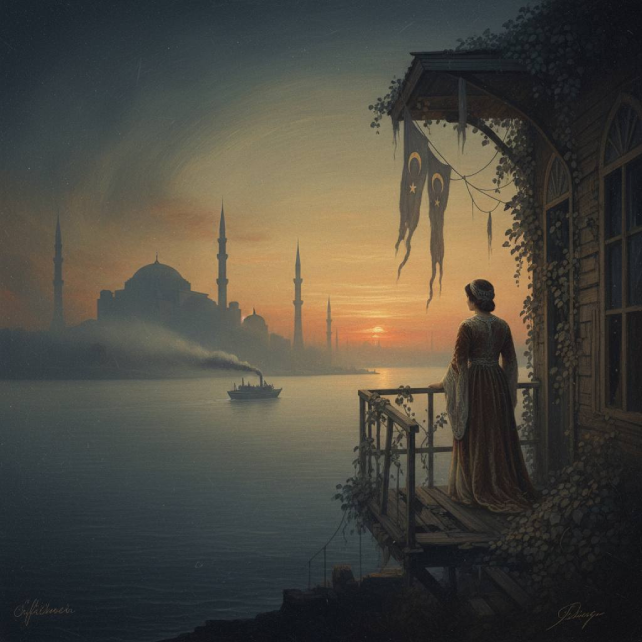
At the twilight of the 19th century, the Ottoman Empire—once master of three continents—was barely breathing. Its borders receded like the tide, swept away by wars, revolts, and the ambitions of European powers. Istanbul, once the Sublime Porte, became the stage for a prolonged farewell: palaces emptied, decrees were written in Latinized Turkish, and dreams of a multiethnic empire gave way to nascent nationalisms.
Yet, in the shaded alleyways, the steaming cafes, and the houses with closed shutters, life went on—woven with secrets, unsent letters, and promises whispered in many languages. It was not just an empire that was fading away; it was an entire world, complex and cosmopolitan, that was slipping into the silence of history.
Gifts of the Long Nights
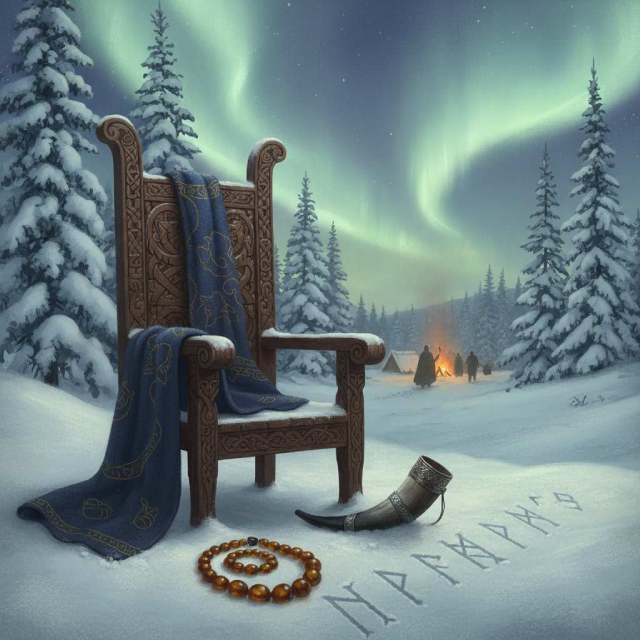
The Vikings are not defined solely by their raids — this is a misconception largely amplified by medieval chroniclers (often frightened monks). Their society was also based on honor, alliances, the spoken word, and above all ritual exchanges — including offerings, gifts, banquets, or even verbal duels (flyting) which could replace war.
The Choices of the Ori
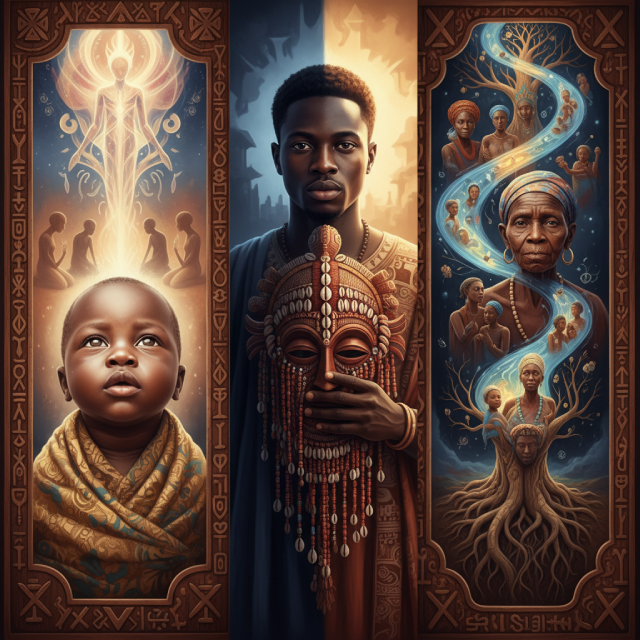
In Yoruba cosmology, before birth, each soul kneels before the creator and chooses its destiny (Ayanmo) and its inner self (Ori). Once on Earth, this choice is forgotten. Human tragedy stems from this forgetting: we believe we are subject to a fate, when in fact we have sometimes chosen it. Unlike the often passive Western determinism, the concept of Ayanmo (chosen destiny) introduces a metaphysical sense of guilt and a tragic grandeur: we are the architects of our own prisons.
Nephthys tears
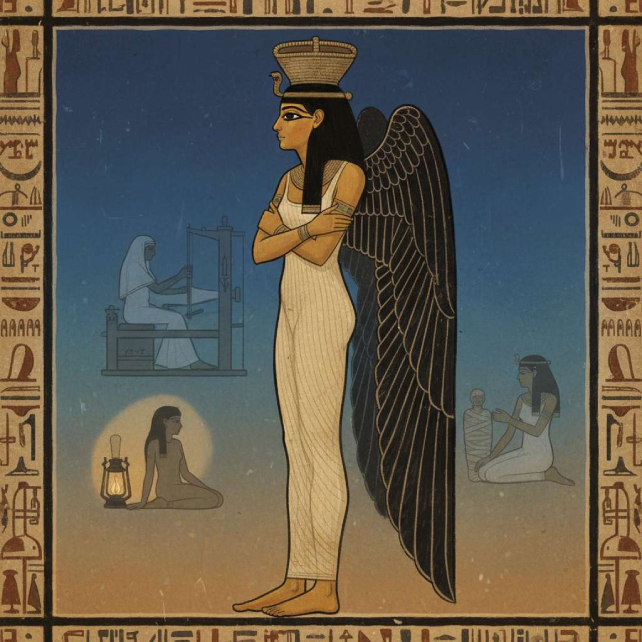
Nephthys, often relegated to the background, embodies a form of silent loyalty, a protective shadow, a fertile pain. She is not a goddess of vengeance, nor of power, but of transition.
The Knots of the Quipu

Killa, a quipucamayoc woman (keeper of the quipus) of Tahuantinsuyu, at the end of the 15th century, at the twilight of the reign of Tupac Inca Yupanqui. She doesn't carry a weapon. She reads the knots like others read the stars. We call on her when a thread is broken in the order of the world - not always a crime, sometimes just an imbalance.
The Silences of the Mountain
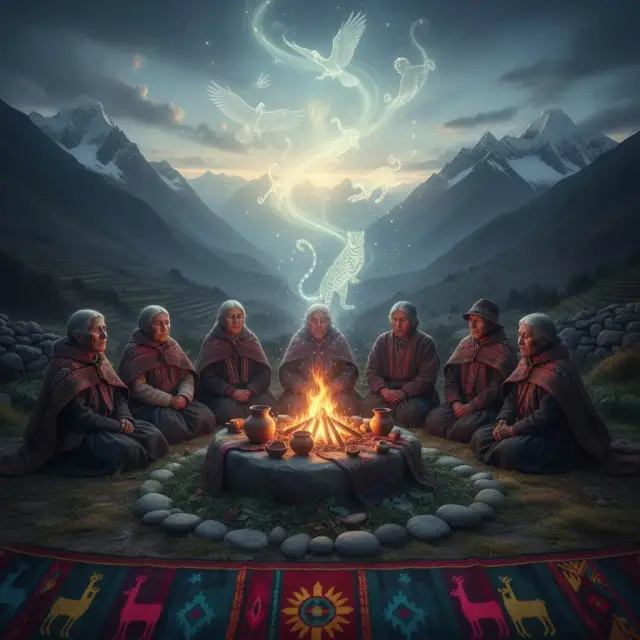
Andean culture is not limited to the music of El Condor Pasa or a plate of quinoa. Ancestral justice, nature spirits, and secret rituals still exist in breathtaking landscapes.
Lucky Me

Penelope Pringle is a walking disaster with a superpower she doesn't even know she has: she is impossibly, ridiculously lucky.
Can she finally learn to trust herself when the luck runs out? Lucky Me is a sparkling, laugh-out-loud comedy about embracing the beautiful chaos of life.
Zero Margin

Space is vast, and crime even more so. Earth-based liaison offices distribute contracts with variable bounties. The risk bounty is calculated based on: political volatility, environmental hazards, active cultural taboos, the likelihood of diplomatic interference, and the survival rate of previous investigators.
When a human is implicated in a crime—as a victim, witness, or suspect—freelance investigators are called in: Cyrus and Vaelen. One is a field detective with keen instincts; the other is the Archivist, a brilliant mind capable of navigating the most complex extraterrestrial data streams.
Sassanid Persia
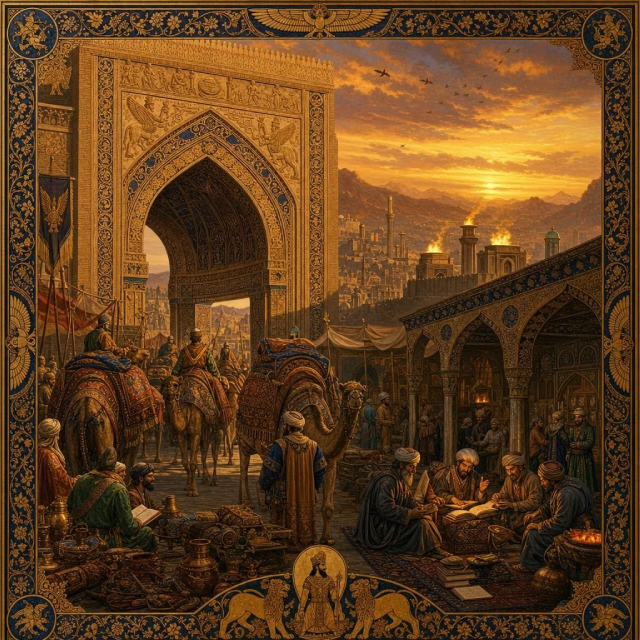
The 5th century (AD 400-499) of Sassanid Persia was a time of cultural consolidation, relative religious tolerance, the rise of the Gondishapur academy, and vibrant exchanges on the Silk Road.
To Grasp the intangible
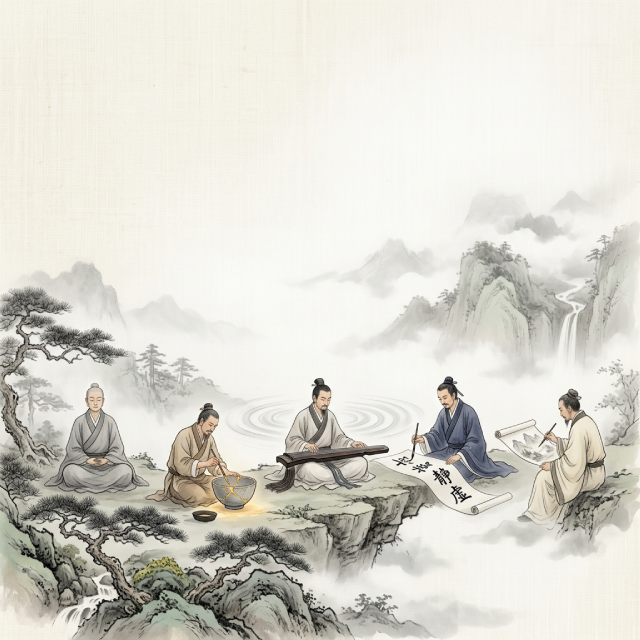
In imperial China, long before the world disrupted its borders, people drew symbols to express the order of the world—and sometimes, to try to grasp its mystery.
It was said then that a well-written character did not merely represent something: it brought it into being.
But certain aspects of life eluded ink. Kindness, silence, presence, imperfect beauty—all that cannot be possessed or held—appeared and then vanished, like mist on water. These stories recount these uncertain traces. They speak of men and women who, one day, thought they had grasped something essential… before realizing that what is missing is sometimes what holds everything together.
Legendary Traditions of Siberia
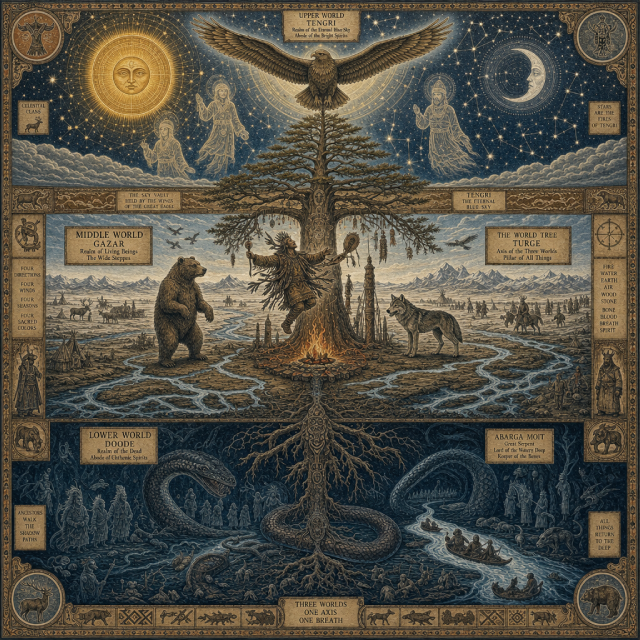
In most cosmogonies there is a fundamental divide: chaos on one side, order on the other; the divine here, the human there; nature as setting and man as subject. Siberian myths work differently: they refuse separation.
For contemporary readers, this logic is strangely familiar. It resembles what ecology, the biology of animal behavior and even certain recent philosophies have been trying to formulate for several decades. The Siberian peoples did not have our concepts, but they had our intuitions — and they had them for much longer.