The Truth about the Trojan War
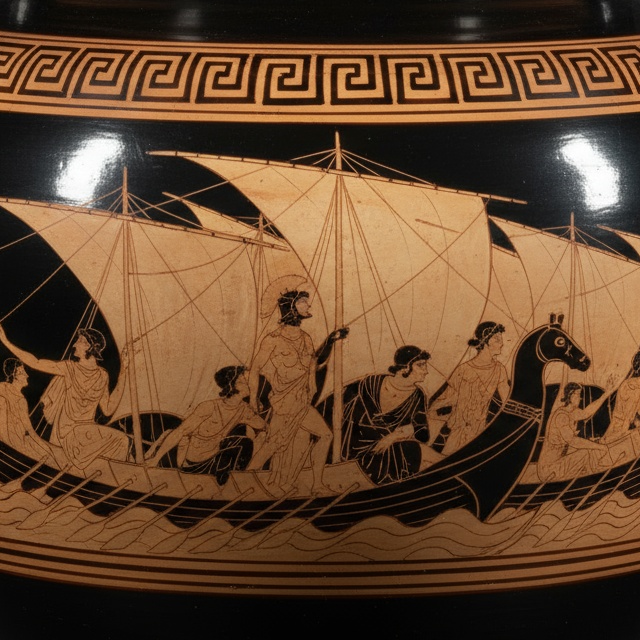
Beneath the ramparts of Troy, Achilles plants his spear in the dry earth and watches the sea. A thousand white sails flutter in the north wind—a thousand ships from all across Greece. The poets will sing of Helen, her fatal beauty, impossible love. But Achilles, son of Thetis, knows the truth that sleeps beneath the myths.
"Look closely at those walls," Ulysses murmurs as he approaches. "They don't just protect a woman. They strangle our trade routes."
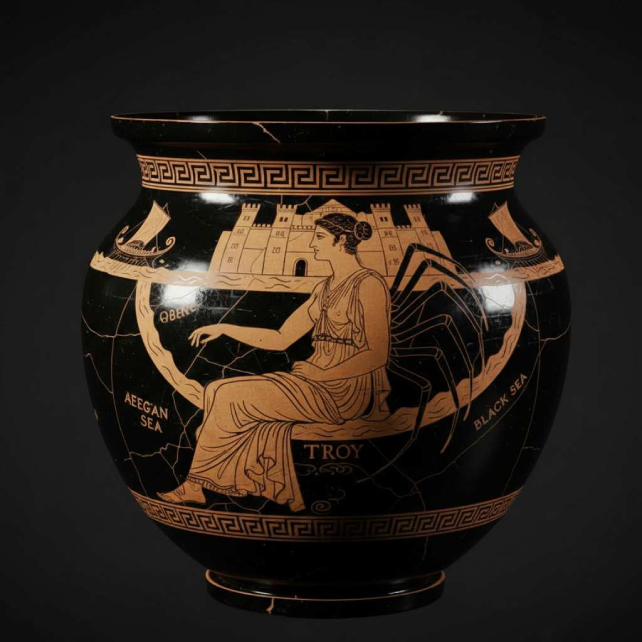
For Troy is the gatekeeper. Seated at the mouth of the Dardanelles like a spider at the center of its web, she controls the passage to the Black Sea, to the distant steppes from which tin descends. Without tin, Greek copper remains soft, useless. Without tin, no bronze. Without bronze, no swords that cut, no axes that cleave, no arrowheads that pierce armor.
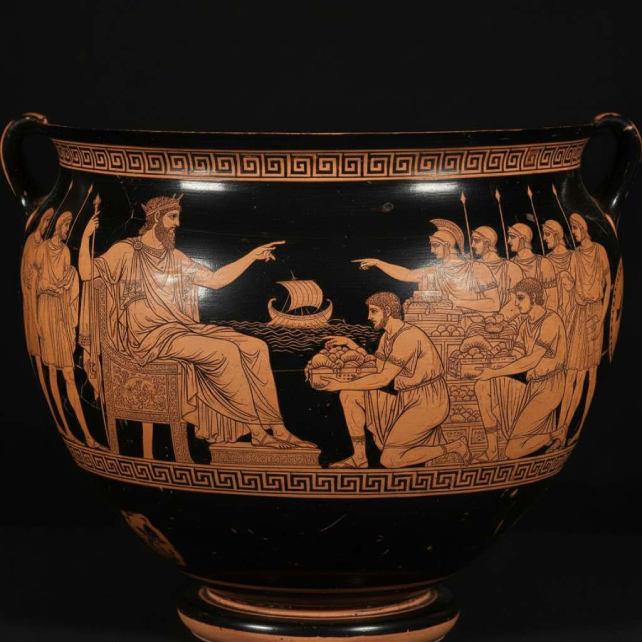
The forges of Athens grow cold. The arsenals of Mycenae run dry. King Priam knows this, demanding ever heavier tributes to let Greek ships pass.
"But no one wages war for tin," Achilles says with a bitter smile. "Men need beauty to die for."
Three years earlier, Helen stood on the ramparts of Sparta, contemplating the horizon. Menelaus, her husband, was returning from a war council in Mycenae. His face was dark.
"The Trojans have closed the strait," he announced. "They're demanding ten times more gold than before. Our tin reserves are dwindling. In a year, our blacksmiths will have nothing left to smelt."
Helen knew these figures better than he did. Daughter of Zeus according to legend, daughter of a Phoenician merchant according to the less glorious truth, she had learned commerce before she learned embroidery. She knew how many lingots of tin crossed the Dardanelles each moon, how much Troy enriched itself playing customs officer to the world.
"And what will Agamemnon do?" she asked.
Menelaus looked away. "He's seeking a pretext for war. The kings of Greece cannot admit they're fighting over trade routes. The people want heroes, not merchants."
That's when Paris arrived, prince of Troy, handsome as a god and naive as a child. He came on an embassy, bearing peace proposals that no one really wanted. Helen understood immediately. Agamemnon had set a trap for him.
"If you leave with him," a servant whispered that night, "you give them their war."
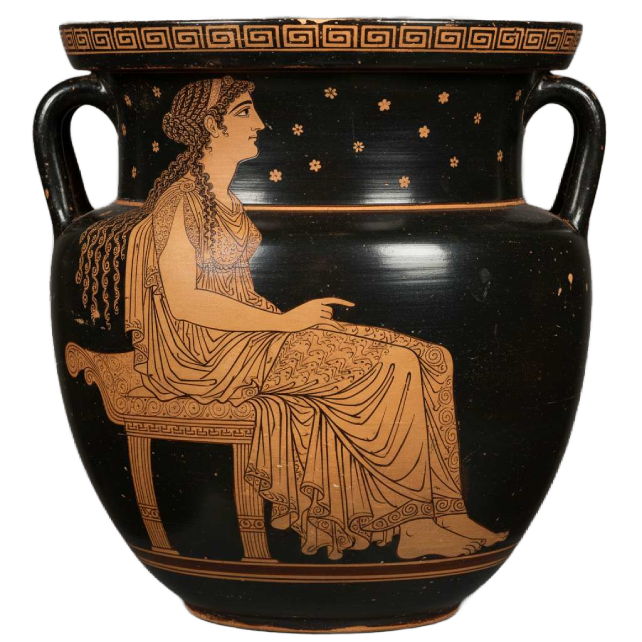
Helen gazed long at the stars. She could refuse, preserve a fragile peace that would eventually shatter anyway. Or she could become the pretext, the face the bards would sing of, the noble reason that would hide the greed of kings.
She chose Troy. Not out of love for Paris—love might come later—but because someone had to take on the role. And at least she would play it knowingly.
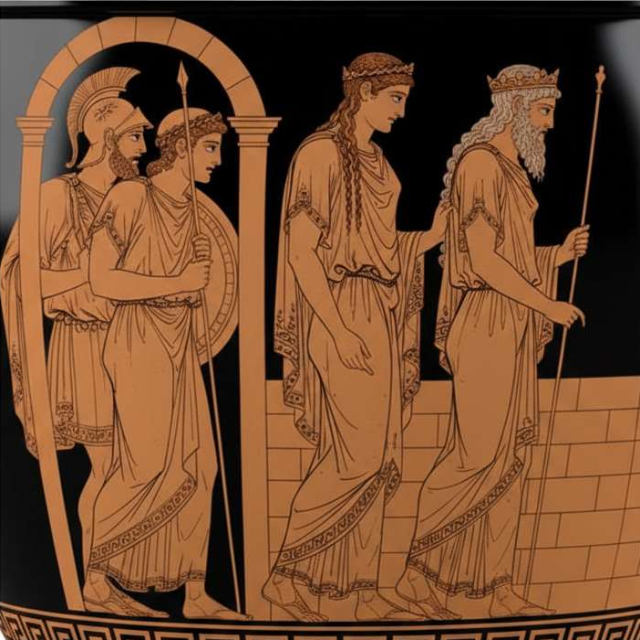
"She knew," Ulysses now tells Achilles, ten years later. "She always knew."
They glimpsed Helen this morning, walking the ramparts beside old Priam. Even at a distance, her beauty takes one's breath away—not despite the lie, but because of it. For Helen bears the weight of ten thousand deaths with a grace that defies understanding.
"The poets will sing that she was abducted," Ulysses continues. "They'll sing that Paris tore her from her hearth, that mad love justified this war. No one will sing of empty tin warehouses, silent forges, extorted prices."
Achilles observes his friend with curiosity. "And you, son of Laertes, what do you truly fight for?"
"To go home." Ulysses' answer is simple, painful. "To find Penelope and Telemachus again. So our forges will blaze again and our peasants will have tools. So Greece will survive. But I'll tell my son something else—I'll speak to him of honor and glory, because the truth is too ugly to be sung."
The next day, Achilles faces Hector, the noble defender of Troy. Their duel is magnificent, terrible, worthy of legends. Hector dies a hero, protecting his city. Achilles triumphs as a demigod, avenging Patroclus.
But at night, alone in his tent, Achilles weeps. Not for Patroclus—those tears have run dry—but for the comedy they all perform. Hector died to maintain control of the Dardanelles. Achilles killed to reopen the tin route. And tomorrow, the bards will sing of their combat as a duel between glory and honor, between courage and nobility.
No one will sing of the tin.
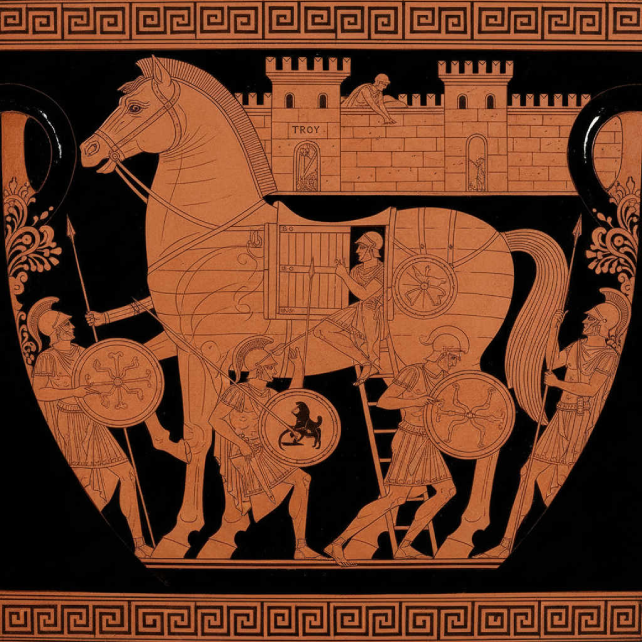
Troy finally falls, not by the sword but by cunning. The wooden horse—that marvel of Ulysses—carries more than warriors. It carries the symbol of what the war has always been: an economic stratagem disguised as an epic.
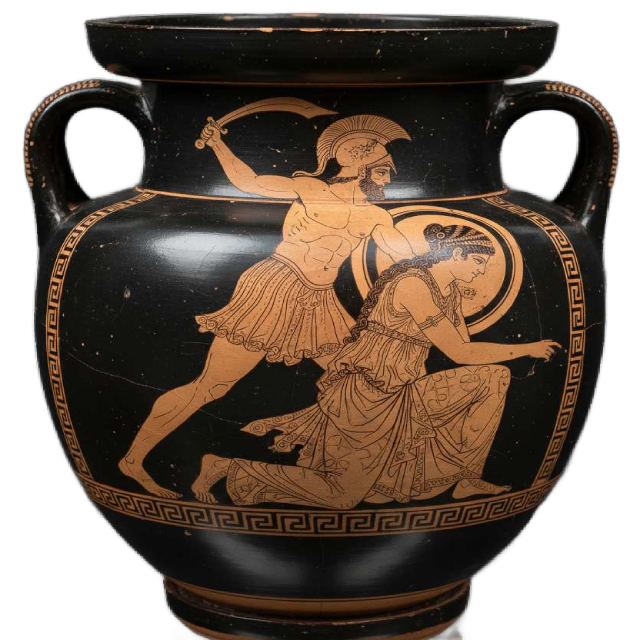
On the night of the fall, as the city burns and men scream, Menelaus finds Helen in Priam's palace. He comes to kill her—that's what honor demands. But when he sees her, his sword trembles.
"You knew," he says. It's not a question.
"Yes." Helen does not weep. Her eyes reflect the flames devouring Troy. "Someone had to be the pretext. I chose to be beautiful and guilty rather than let you admit your greed."
"Ten years..." Menelaus' voice breaks. "Ten years for tin."
"No." Helen approaches, gently touches his cheek. "Ten years for a story your sons can tell with pride. Would you rather they say: 'My father waged war over customs taxes'? Or: 'My father crossed the sea to bring back the most beautiful woman in the world'?"
Menelaus drops his sword.
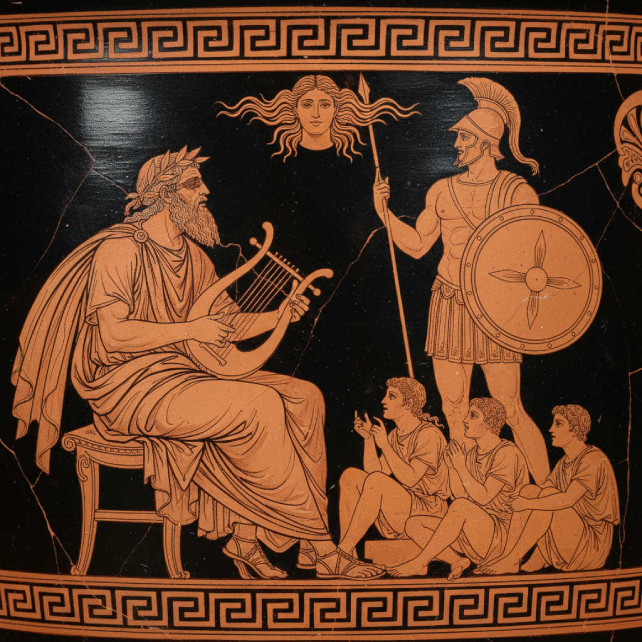
Years later, an old blind bard named Homer gathers testimonies. People tell him of Achilles and his wrath, of Hector and his bravery, of Helen and her fatal beauty. No one mentions tin, trade routes, starving forges.
Homer hesitates. He could tell the truth—recount the war as it truly was. But he sees the eyes of children listening to him, hungry for heroism. He thinks of mutilated veterans who need to believe their sacrifices had meaning. He ponders widows who want to hear that their husbands died for something grand.
So Homer sings of Helen, fairest of all, cause of the Trojan War. He sings of heroes and gods, honor and glory. He transforms tin into poetry, geopolitics into epic.
For that is Helen's true genius: she understood that humans need beauty to bear horror, myths to digest reality, poetry to sublimate economics.
And somewhere in Hades, Helen smiles. She who was by turns accused and adored, cursed and celebrated, knows she offered mankind the most precious of metals—not the tin that makes bronze, but the lie that makes legends.
The Greek ships depart, their holds full of Trojan tin. The forges of Greece blaze again. Commerce resumes.
But no one sings of the tin.
They sing of Helen.



